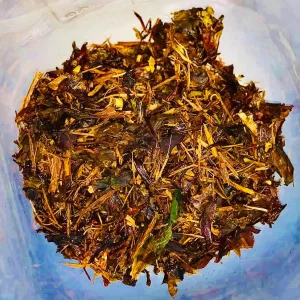
Psychedelic mushrooms, often called “magic mushrooms,” contain psilocybin—a compound that profoundly alters perception, mood, and thought. Used for centuries in spiritual rituals, these fungi are now being studied for their therapeutic potential. Users describe vivid visual patterns, deep introspection, and a sense of interconnectedness with the world. Clinical trials suggest that, under professional guidance, psilocybin can help with depression, anxiety, and even addiction. The effects, however, are unpredictable and can vary based on dose, mindset, and environment. Bad trips—marked by anxiety or paranoia—are possible, highlighting the need for safe, supportive settings. As attitudes shift and research expands, magic mushrooms are emerging from the shadows of illegality to become a topic of scientific and cultural fascination. Their journey from ancient shamanic tool to modern medicine underscores the enduring power of nature’s psychedelic teachers.